
White Label Casino Platforms & B2B iGaming Infrastructure
Most new operators think they need to build everything from scratch. That's a $2M+ mistake that adds 18-24 months to launch timelines. The reality? The fastest path to market runs through existing B2B infrastructure - but picking the wrong partner can lock you into predatory revenue splits and technical limitations that kill scalability.
I've evaluated 40+ platform providers over the past eight years. Some operators I work with are printing money on white label setups. Others got trapped in contracts that take 60% of their NGR while delivering software that hasn't been updated since 2019. The difference isn't luck - it's understanding what these partnerships actually deliver and where the hidden costs live.
Here's what separates successful B2B relationships from expensive disasters: knowing exactly what you're buying, what you're building, and where control matters most for your specific market.
The B2B Casino Software Landscape: What You're Actually Buying
White label and turnkey platforms sound similar but operate on completely different economics. A true white label means you're running on shared infrastructure - same backend, same player pools in some cases, identical admin panel with your branding slapped on. Turnkey gives you dedicated instances with more customization, but you're still licensing their core technology stack.
Here's the typical cost structure for white label arrangements:
- Setup fees: $15K-$75K depending on customization depth
- Monthly platform fees: $5K-$25K base rate regardless of revenue
- Revenue share: 20-50% of NGR (net gaming revenue after player payouts)
- Game provider fees: Additional 10-15% to content aggregators
- Payment processing: 3-8% per transaction plus gateway fees
Do the math on a operator generating $500K monthly GGR at 85% payout ratio. That's $75K NGR. After a 35% platform split ($26K), game fees ($11K), and payment costs ($4K), you're keeping roughly $34K before marketing, salaries, and compliance costs. Your actual take-home might be 15-20% of GGR if you're lucky.
This is why understanding the full cost stack matters more than the headline revenue share percentage.
Platform Provider Types: Where Control vs. Speed Trade-Offs Live
The B2B market splits into four distinct tiers, each with different economics and operator profiles:
Tier 1: Enterprise Platforms ($100K+ setup, 15-25% revenue share)
Think SoftSwiss, EveryMatrix, Softgamings at the high end. You get battle-tested infrastructure, direct game provider integrations (2,000+ titles), comprehensive CRM, proven payment rails, and regulatory compliance documentation that actually works with licensing authorities.
Best for: Operators targeting Curacao/Malta licenses with $500K+ launch budgets who need fast time-to-market (90-120 days) and plan to scale past $2M monthly GGR within 18 months.
Tier 2: Mid-Market Solutions ($30K-$80K setup, 25-40% revenue share)
Providers like SoftGamings' entry packages, Slotegrator, various Eastern European platforms. Decent game selection (800-1,500 titles), basic CRM functionality, standard payment integrations. Technical support exists but expect 24-48hr response times on critical issues.
Best for: Regional operators with $200K-$400K budgets testing specific geos before committing to enterprise infrastructure. Good for markets where player sophistication is lower and you can compete on localization rather than feature depth.
Tier 3: Budget White Labels ($10K-$25K setup, 40-55% revenue share)
Tons of providers in this space, mostly offering cookie-cutter solutions with 300-600 games, basic admin panels, limited customization. You're essentially a mini-affiliate with a branded frontend. Player data ownership gets murky - read contracts carefully.
Best for: Testing market hypotheses with minimal capital at risk. Not suitable for serious scale. Most operators here never break past $100K monthly GGR because the economics don't support growth marketing.
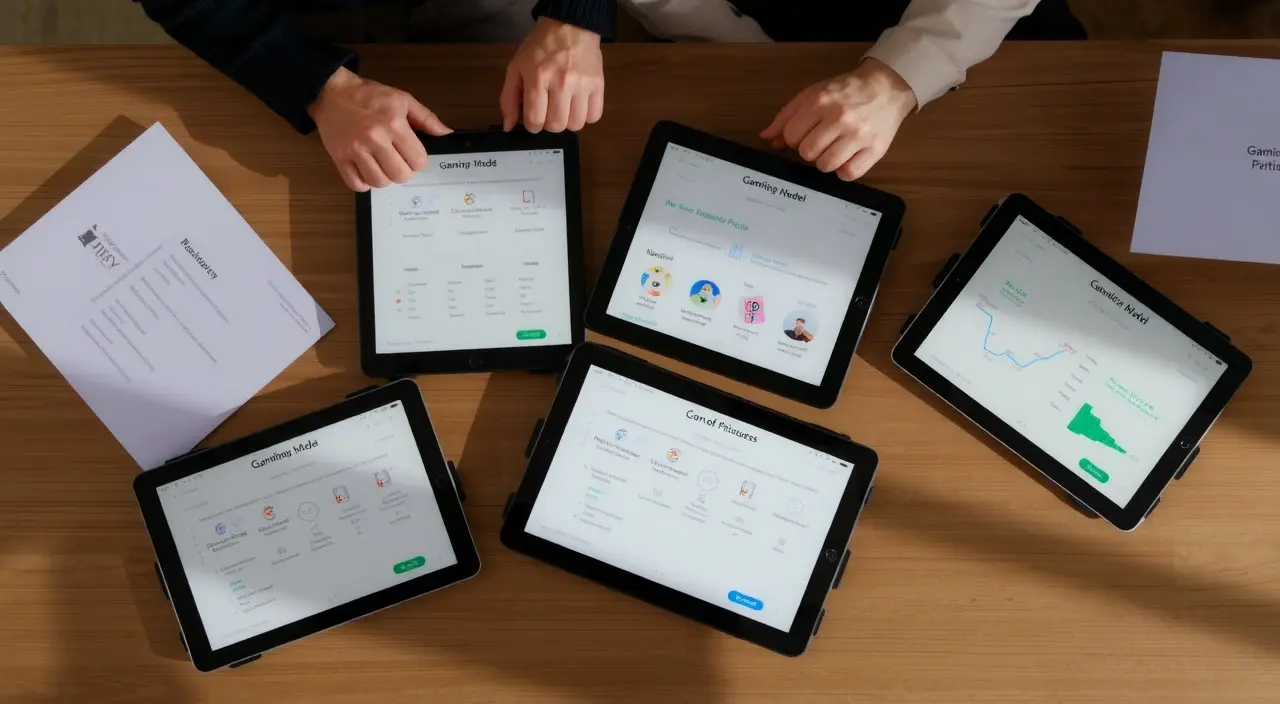
Tier 4: Hybrid API Solutions (Variable setup, fee per API call or % split)
Game aggregators like BGaming, providers offering standalone components (just CRM, just payment orchestration, just game integration). You piece together your own stack but maintain maximum control and keep more revenue. Requires technical team to integrate and maintain.
Best for: Operators with in-house development (2-3 engineers minimum) who want to build scalable iGaming business solutions without platform provider margin stacking. Slower to market (6-9 months) but better unit economics long-term.
The Components That Matter: What to Negotiate and What to Standardize
Not all platform features have equal business impact. Here's where to spend political capital during provider negotiations:
Critical (fight for control): Player data ownership and export rights, payment provider flexibility, CRM segmentation capabilities, bonus engine customization, affiliate tracking granularity. These directly impact your retention mechanics and CAC optimization.
Important (negotiate but compromise possible): Admin panel UX, reporting dashboard customization, game lobby design flexibility, KYC workflow configuration. Nice to have but rarely revenue-limiting if you're stuck with provider defaults.
Standardize (don't waste time here): Backend infrastructure, server architecture, basic compliance documentation, standard game integrations. Let the provider handle this - it's their core competency and you won't build it better on budget.
The biggest mistake I see? Operators obsessing over logo placement and frontend colors while accepting terrible data access terms that prevent sophisticated retention marketing. Your brand matters less than your ability to run targeted bonus campaigns based on player behavior patterns.
Revenue Share vs. Fixed Fee: The Hidden Math
Most operators default to revenue share because it feels lower risk - no revenue, no cost. That logic breaks down fast once you're past $200K monthly GGR.
Example scenario at $500K GGR with 85% payout (so $75K NGR monthly):
30% revenue share model: You pay $22.5K/month to platform + $11K game fees = $33.5K total platform costs
Fixed fee alternative: $15K/month platform + $8K game fees (better rates through direct deals) = $23K total costs
The fixed fee model saves you $10.5K monthly at this volume - $126K annually. That's enough to hire a full-time retention specialist or fund an entire market entry test. And the savings compound as you scale. At $1M GGR, you're saving $250K+ per year.
When does revenue share make sense? When you're pre-product-market fit and can't predict volumes. Once you hit consistent $150K+ monthly GGR, start negotiating hybrid models (lower base fee + reduced revenue share) or pure fixed pricing.
Building vs. Buying: The Actual Breakeven Analysis
Every operator eventually asks: "Should we just build this ourselves?" Here's the real cost comparison for a mid-market operation:
Platform provider route: $50K setup + $15K monthly platform + 25% rev share = ~$230K first year at $500K average monthly GGR
Custom build route: $180K development (3 engineers, 6 months) + $80K licensing/integrations + $60K annual maintenance + opportunity cost of 6-month launch delay = ~$450K first year (assuming you'd have generated revenue during that delay period)
Breakeven happens around month 18-24 for most operators. But that assumes your dev team doesn't introduce critical bugs that damage player trust, and you're not distracted from growth activities while babysitting technical infrastructure.
The sweet spot? Launch on a platform provider to validate market fit and revenue models. Once you're consistently past $1.5M monthly GGR and understand your retention mechanics, evaluate building core components in-house while keeping game aggregation and payment orchestration outsourced. If you want to properly compare casino business models with detailed financial projections, the platform vs. custom decision needs those volume assumptions locked down first.
What Successful B2B Partnerships Actually Look Like
The operators making money on white label setups share three characteristics: They negotiate aggressively before signing, they understand their provider's revenue model well enough to spot hidden costs, and they plan their exit strategy from day one.
That last point surprises people. Your first platform provider is probably not your forever partner. Set up data exports quarterly. Document all custom integrations. Maintain relationships with 2-3 alternative providers even while you're live. The switching cost should never exceed 45 days of lost revenue.
Best B2B relationships I've seen operate more like strategic partnerships than vendor relationships. The operator brings market knowledge and player acquisition capabilities. The platform brings technical infrastructure and regulatory compliance. Neither party tries to extract maximum value short-term because the long-term revenue multiplication is worth more than squeezing points today.
If your platform provider is pushing 50% revenue shares and won't negotiate flexible terms once you prove volume, that tells you everything about how they view the relationship. You're inventory, not a partner. Better to learn that in due diligence than 18 months post-launch when migration costs are highest.
Making the Provider Decision: Framework for Evaluation
Score potential partners across these weighted criteria to get past marketing decks and actually understand revenue generation strategies:
- Total Cost of Ownership (35% weight): Setup + monthly fees + rev share + game costs + payment fees across 12/24/36 month projections
- Technical Flexibility (25%): API access quality, data export capabilities, integration options for third-party tools, white-label depth
- Regulatory Coverage (20%): Licensed jurisdictions they support, compliance documentation quality, gambling licensing requirements they can satisfy
- Scale Readiness (15%): Largest client GGR, infrastructure redundancy, historical uptime, technical support SLAs
- Contract Terms (5%): Early termination clauses, price renegotiation triggers, data ownership clarity
Run three providers through this framework with your actual financial projections. The right answer usually becomes obvious - and it's rarely the provider with the slickest demo or the biggest brand name.
The B2B infrastructure you choose determines your unit economics for the next 18-36 months. Get it wrong and you'll spend more time managing vendor relationships than growing your player base. Get it right and you buy yourself time to focus on what actually drives iGaming success: player acquisition, retention optimization, and regulatory compliance. Everything else is just cost of doing business.